


Why Ceramic Workstation Sinks Are Gaining Popularity in North America
2026-08-26 14:23:51The North American kitchen sink market is moving beyond the traditional single-purpose basin. As kitchen layouts become more functional and product specifications become more demanding, workstation sinks are gaining attention for their ability to combine washing, food preparation, and drying functions within one sink area.
1. Workstation Design Adds More Function to the Sink Area
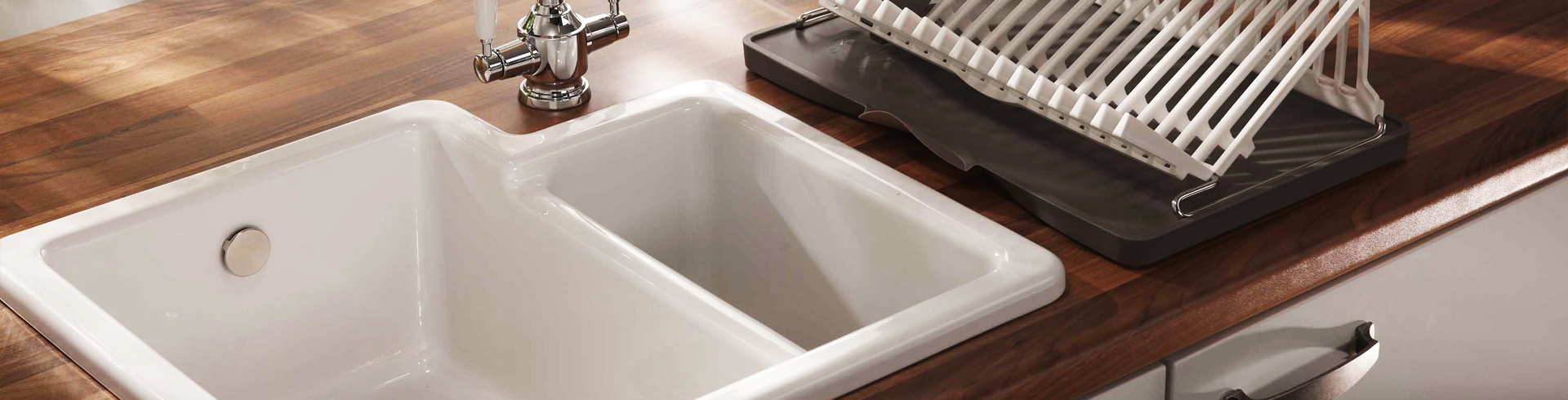
A traditional kitchen sink mainly provides a basin for washing and rinsing. A workstation sink takes this concept further by incorporating integrated ledges or tracks that support accessories such as cutting boards, colanders, drying racks, and bottom grids.
These accessories can be positioned directly over or inside the sink, allowing different tasks to be completed within the same working area. When the accessories are removed, the sink can still function as a conventional basin.
This flexibility makes the workstation configuration particularly suitable for modern kitchen designs where efficient use of available space is increasingly important.
2. Changing Kitchen Requirements Are Driving Functional Upgrades
Kitchen design is increasingly focused on combining multiple functions within a limited footprint. The sink is no longer viewed simply as a fixed basin; it can also become part of the food preparation and organization area.
A workstation sink responds to this change by creating a more adaptable working zone. Instead of requiring separate countertop space for every preparation or drying task, compatible accessories can be arranged around the sink itself.
For ceramic sink manufacturers, this shift means that product development is moving from appearance alone toward a combination of material, structure, functionality, and accessory compatibility.
3. Ceramic Brings a Classic and Higher-End Positioning
Workstation sinks are available in different materials, with stainless steel being one of the most established choices. Ceramic, however, offers a different design position.
The smooth glazed surface, substantial appearance, and long-established use in kitchen design give ceramic sinks a classic character that works well with traditional, transitional, and contemporary kitchen styles.
For product lines positioned toward a more refined market segment, a ceramic workstation sink can combine the functional advantages of a workstation configuration with the established aesthetic appeal of ceramic.
4. Accessories Create More Product Opportunities
Another advantage of the workstation concept is that the sink does not have to be sold as a standalone product.
Cutting boards, colanders, drying racks, bottom grids, and other compatible accessories can be supplied as part of the same product configuration. This gives manufacturers and suppliers more flexibility when developing product combinations and packaging options.
From a sourcing perspective, a sink paired with a coordinated accessory set can also create opportunities to increase the value of individual orders while offering a more complete product solution.
For ceramic sink manufacturers, this trend creates an opportunity to combine the established appeal of ceramic with a more functional workstation configuration. Boma has continued to develop ceramic sink solutions that respond to changing market requirements. For any questions about our workstation sinks, please feel free to contact our team!


